Showing posts with label Feature Story. Show all posts

Sunday, June 15, 2025

Feature | A Breath of Fresh Bay: Manila’s Dolomite Beach Draws Thousands This Weekend


Manila, Philippines -- June 15, 2025 Manila's Dolomite Beach remains open to the public, offering a scenic spot along Roxas Boulevard for visitors to enjoy. Managed by the Department of Environment and Natural Resources (DENR), the beach is accessible daily from 6:00 AM to 6:00 PM, with a maximum capacity of 3,500 visitors at any given time.

Current Regulations

To ensure public health and safety, the following activities are prohibited at Dolomite Beach:

  • Swimming: The water quality does not meet the standards for safe swimming.

  • Smoking, Eating, and Spitting: These activities are not allowed to maintain cleanliness.

  • Pets: Animals are not permitted on the beach.

  • Littering: Visitors are expected to dispose of waste properly.

Environmental Efforts

The beach nourishment project, initiated in 2020, has withstood various weather conditions, including typhoons and floods, demonstrating its resilience . Regular maintenance and monitoring are conducted to ensure the area remains clean and safe for visitors.

Visitor Experience

Dolomite Beach offers a unique urban escape with its white sand and views of Manila Bay. While swimming is not permitted, visitors can enjoy leisurely walks, take in the sunset, and appreciate the ongoing efforts to rehabilitate Manila Bay.

Friday, June 13, 2025

Feature | A Towering Tribute: UAE Celebrates Philippine Independence Day at Burj Khalifa


Photo: UAE Labours | Fb


Burj Khalifa Lights Up: A Tribute to Philippine Independence Day

In a stunning display of solidarity and friendship, the iconic Burj Khalifa in Dubai lit up with the colors of the Philippine flag — a powerful gesture honoring the 126th Philippine Independence Day.

As the tallest building in the world shimmered in red, blue, white, and yellow, Filipinos across the United Arab Emirates and around the world were filled with pride and emotion. This moment served as a heartfelt tribute to the deep and enduring bond between the UAE and the Philippines.

To all our fellow kababayans: Happy Independence Day! 🇵🇭
And to the United Arab Emirates: Thank you for recognizing our heritage and for embracing our people. 🇦🇪

Long Live the UAE. Long Live the Philippines.
A proud celebration of unity, resilience, and shared respect.

Sunday, June 8, 2025

Feature | Government Officials Arrive at Jones Bridge Lighting Ceremony in Intramuros


Manila, Philippines — Government officials have begun arriving at Plaza Mexico in Intramuros, Manila this evening to witness the much-anticipated Jones Bridge Lighting Ceremony, a key event under the #PasigBigyangBuhayMuli initiative aimed at revitalizing the Pasig River and surrounding heritage areas.


Among the early arrivals were Department of Trade and Industry Secretary Cristina Roque, Presidential Communications Office Secretary Jay Ruiz, Senate President Chiz Escudero, Senator Koko Pimentel, and Manila Mayor-elect Isko Moreno.

Also expected to grace the event are President Ferdinand Marcos Jr. and First Lady Liza Araneta-Marcos, underscoring the administration’s support for urban renewal and heritage conservation efforts in the capital.

The lighting ceremony is part of a broader project to highlight the historical and architectural significance of the Jones Bridge, originally designed by renowned Filipino architect Juan Arellano. The initiative aims to boost tourism, promote cultural preservation, and breathe new life into the Pasig River waterfront.

More updates to follow as the event progresses.

Monday, January 20, 2025

Feature | Exploring the Old Manila International Airport Through Time


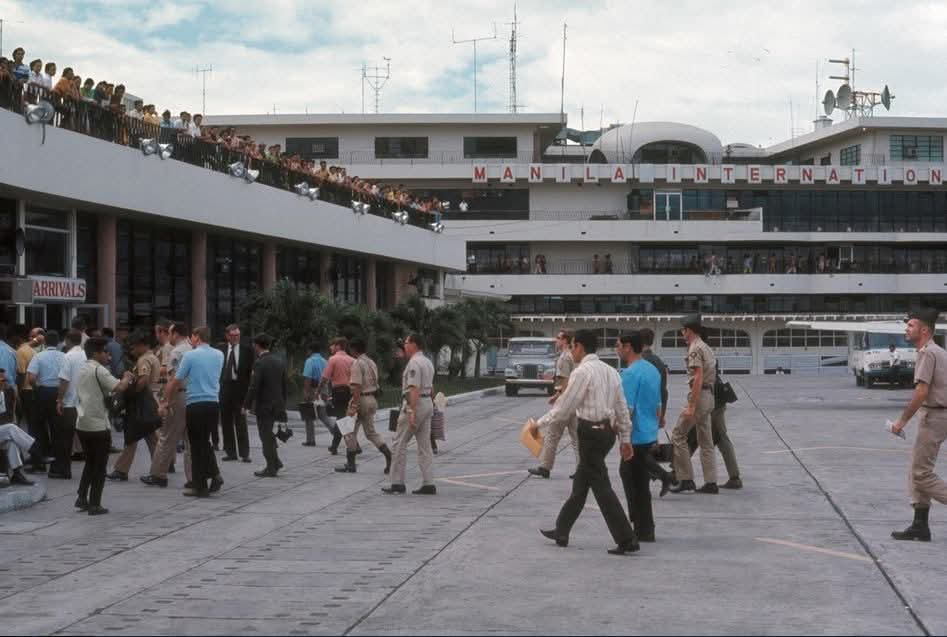
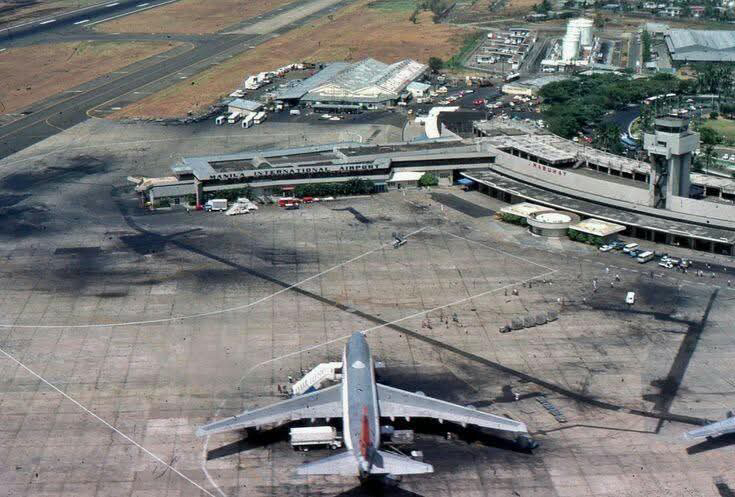
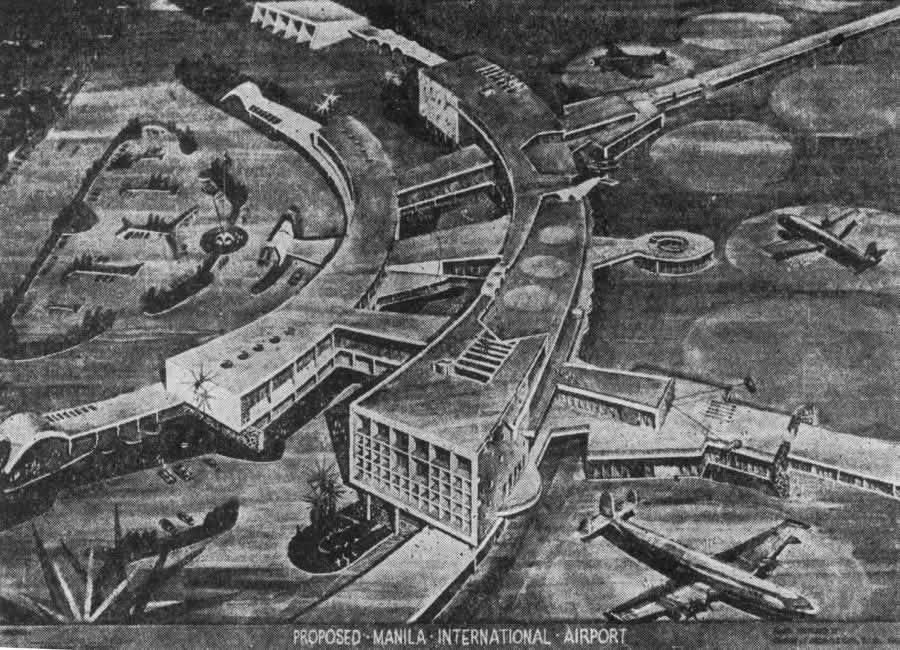
The Manila International Airport (MIA), which later became Ninoy Aquino International Airport (NAIA), holds a rich history reflected in the architecture and transformation of its terminals over the years. The airport, originally designed to handle the growing demands of international air travel in the 20th century, went through significant changes, each reflecting the era it represented. This blog explores various photos of the old Manila International Airport, showcasing its different terminal designs from multiple sources.


The 1962 Terminal by Federico Ilustre

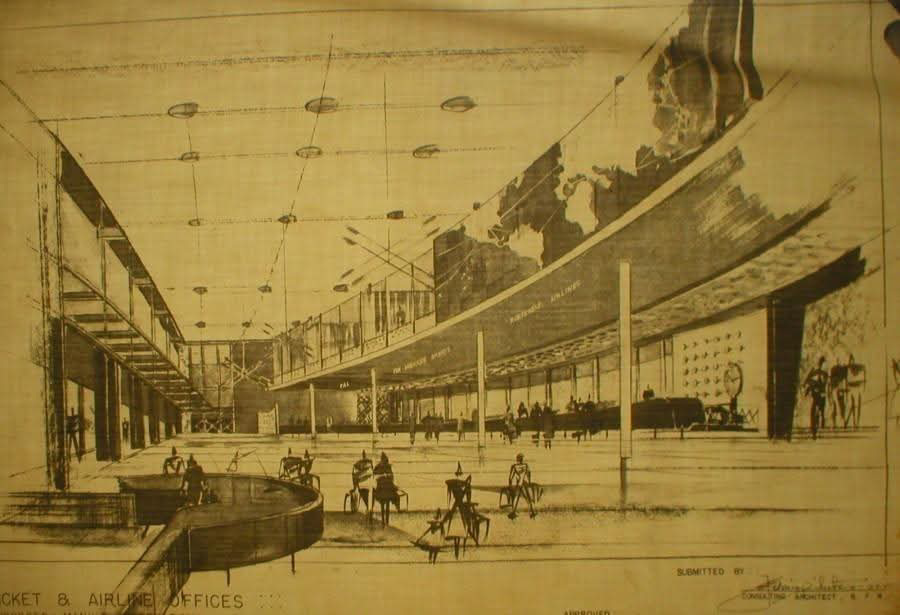
The first terminal of the Manila International Airport, completed in 1962, was designed by the renowned Filipino architect Federico Ilustre. The building was a modern structure for its time, emphasizing clean lines and an open design. It was made to facilitate the increasing number of international flights coming to Manila, establishing the airport as the gateway to the Philippines. The photos of the 1962 terminal display a simpler, more functional approach to airport design, with large windows offering a view of the tarmac and ample space for passengers.

Caption: A snapshot of the original 1962 terminal, showcasing Ilustre's modernist design.

The terminal’s open and airy interiors made it a unique structure for the period. It was seen as a symbol of the country’s post-war progress, offering a welcoming environment to both locals and international travelers alike. The simple elegance of the design made it a lasting fixture in the memories of those who passed through it during the early decades of its operation.

The Post-1972 Fire Terminal by Leandro Locsin

In 1972, a devastating fire destroyed much of the original terminal, prompting the need for a new design. Renowned architect Leandro Locsin was tasked with the reconstruction of the terminal, which led to the creation of a striking new structure that would remain the face of the airport for several decades. Locsin's design focused on creating an iconic, modernist structure that balanced both functionality and aesthetic grandeur.

Caption: The post-1972 fire terminal, designed by Leandro Locsin, with its distinct angular roofs and minimalist style.


Locsin’s terminal is perhaps best known for its bold and angular rooflines, which are a defining feature of the airport’s architecture. The building’s sweeping, dramatic form gives the impression of flight and movement, and its minimalist interior design emphasizes clean, open spaces. The structure embodied the country’s modern ambitions in the 1970s, while also maintaining a distinctly Filipino identity through its use of traditional materials and design elements.


The photos of the post-1972 terminal reveal an airport that was built to accommodate a growing and increasingly internationalized Manila. Locsin’s design was not only functional but also iconic, earning its place as one of the country’s most significant architectural achievements.


Conclusion

The transformation of the Manila International Airport, from the 1962 terminal by Federico Ilustre to the post-1972 fire terminal designed by Leandro Locsin, is a testament to the changing needs of the country and its evolving identity on the world stage. Each terminal captures a unique moment in time, from the modernist simplicity of Ilustre’s design to the bold and visionary lines of Locsin’s post-fire creation. Through these photos, we can see how the architecture of the airport not only served as a functional space but also reflected the aspirations of the Philippines during each era.

The old Manila International Airport may no longer stand, but its legacy in Philippine architecture endures, reminding us of the dynamic forces that shape both our built environment and national identity.

Caption: A view of the departure area in the post-1972 terminal, highlighting the spacious interior and modern design.

Sources: (Include links to the sources of the photos or references you used for this blog.

Related Posts Plugin for WordPress, Blogger...

Share, Like & Follow

Search This Post